Written by Editor: Ashmit Podder
*Geopolitical Analyst
Introduction
The conflict between Russia and Ukraine continues to be one of the most significant geopolitical crises in the world. What began as a regional military confrontation has evolved into a global issue affecting international security, energy markets, food supply chains, and diplomatic relations. Even in 2026, the war remains unresolved, with far-reaching consequences beyond Eastern Europe.
Background of the Conflict
The roots of the Russia–Ukraine war lie in historical, political, and strategic tensions. Ukraine’s growing alignment with Western institutions and Russia’s concerns over NATO’s eastward expansion intensified disagreements between the two nations. The situation escalated into full-scale conflict, reshaping regional power dynamics and triggering global reactions.
Role of NATO and Western Countries
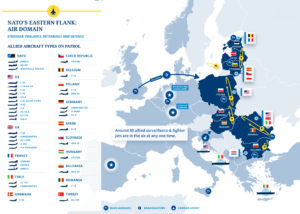
The involvement of NATO has significantly influenced the course of the war. While NATO is not directly engaged in combat, its member nations have provided strong support to Ukraine. This backing has improved Ukraine’s defensive capabilities but has also increased tensions between Russia and Western powers, adding to global geopolitical uncertainty.
Global Economic Impact
The economic effects of the war are being felt far beyond Europe. Disruptions in energy supplies have pushed fuel and gas prices higher, particularly in European countries. Food prices have also risen globally due to reduced grain exports from the region. In addition, many governments have increased defense spending, while global markets continue to face instability and uncertainty.
Impact on Global Security
The conflict has forced many countries to rethink their security strategies. Nations are strengthening alliances, increasing military readiness, and preparing for potential future conflicts. The war has demonstrated how regional tensions can quickly escalate into global security challenges, reshaping international defense policies.
Humanitarian Consequences
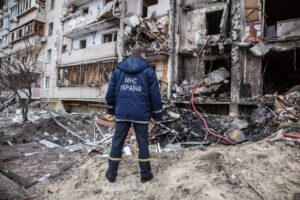
Beyond politics and strategy, the war has caused severe human suffering. Millions of people have been displaced from their homes, and large-scale destruction of cities, hospitals, and schools has taken place. The humanitarian crisis continues, and rebuilding affected areas will require long-term international support and cooperation.
Future Outlook
Several possible scenarios remain for the future of the conflict. These include a negotiated peace settlement, a long-term frozen conflict, or gradual de-escalation due to international pressure. The final outcome will play a crucial role in shaping the future of European security and global geopolitical relations.
Conclusion
The Russia–Ukraine war is no longer just a regional conflict; it is a defining event in global geopolitics. Its effects on politics, economics, and human lives will continue to be felt for years to come. Understanding this conflict is essential for grasping the changing dynamics of power and security in the modern world